Environment
Disaster Risk Reduction
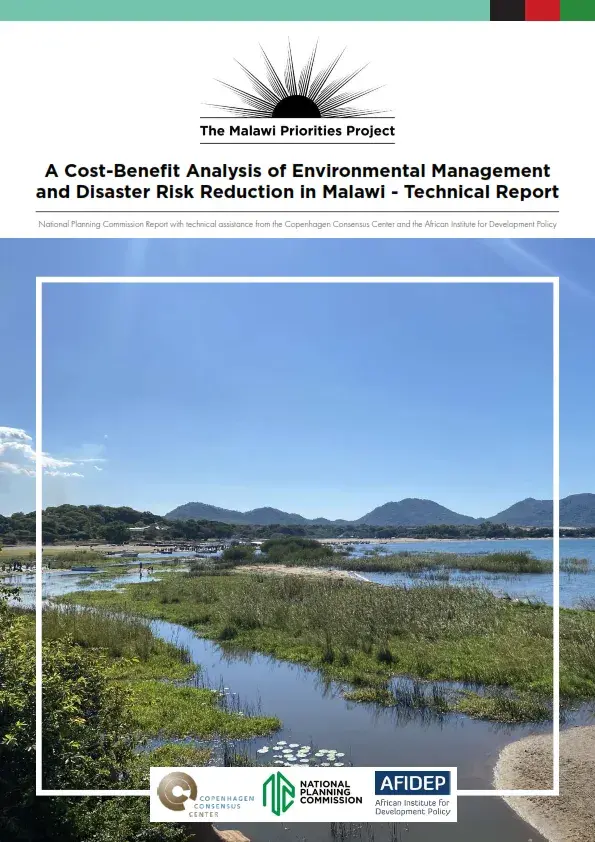
Malawi is highly vulnerable to the impacts of extreme weather events. The adverse effects of climate change pose a significant risk to Malawi’s growth and development, with the nation having faced continual and compounding disasters over the last few decades. The impacts of extreme weather events in Malawi, such as floods, strong winds, dry spells, cyclones, earthquakes, and landslides, are substantial – hindering Malawian lives, livelihoods, the country’s economy, and damaging infrastructure.
Fisheries
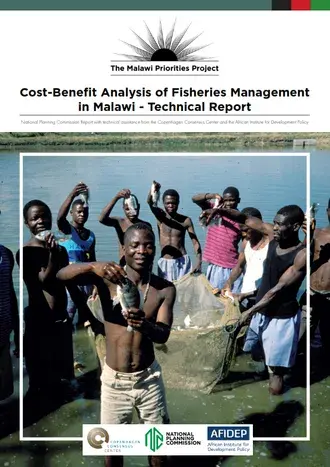
The fisheries sector is very important to Malawi’s economy, livelihoods, food security, and biodiversity. One estimate puts the total contribution of the sector at 7.2% of GDP while employing 700,000 people either directly or indirectly. Unfortunately, there is evidence of extreme overfishing, with 50% more craft than should be the case for maximum sustainable yield.
National Resource Management
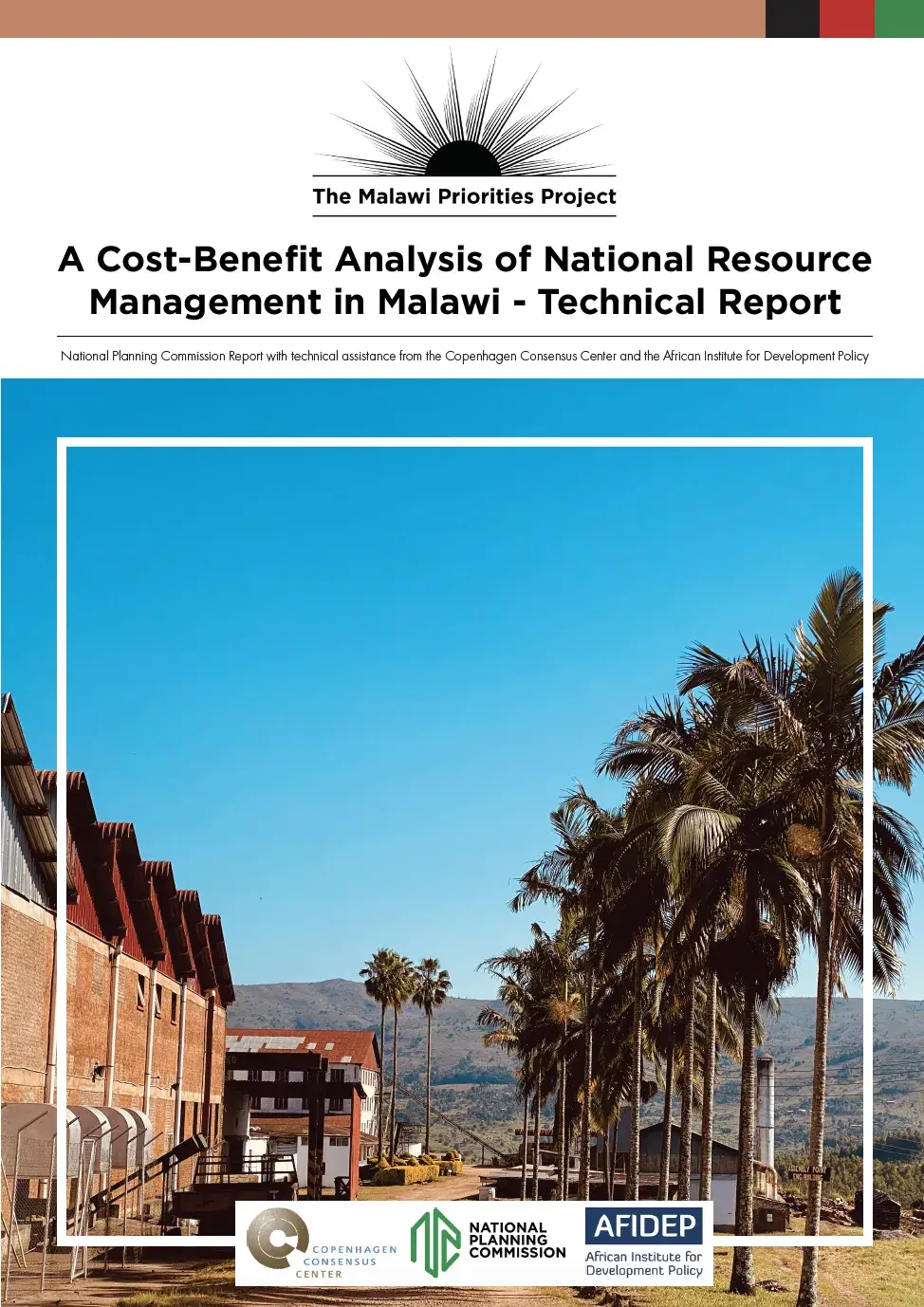
Despite being endowed with substantial minerals, gemstones, and water bodies, Malawi’s mining and fisheries sectors have been unable to fully take advantage of these resources for wealth creation. Both sectors face similar barriers to generating more wealth for the country: informality, lack of sophisticated practices and value-addition, and limited linkages to trade markets.
Water Reliability
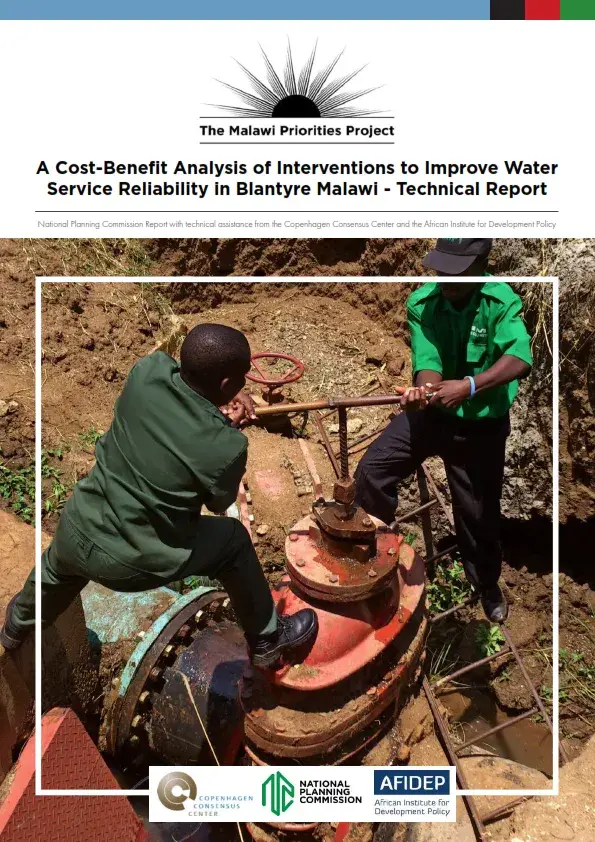
Blantyre has insufficient water to meet demand. The average daily demand of 140 million liters per day vastly outpaces the Blantyre Water Board’s (BWB) maximum supply of 122 million liters per day. Taking into account 40% water losses prior to consumption, the shortfall between water supply and demand is more than 70 million liters per day. While there is a high level of access to formal water service, this shortfall contributes to unreliable and intermittent service provision.