UN OWG Proposed Target 5.3
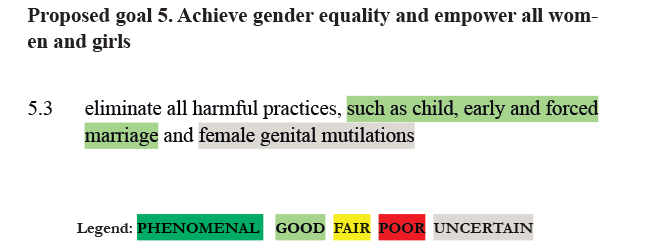
RATING: GOOD. The benefits of later marriage are high, and different studies suggest a variety of ways to achieve this (e.g. campaigns, access to education). Benefits include better health (young mothers and their children are higher risk, and delayed marriage has positive correlations with education). The BCR ratio of this goal is therefore generally quite high, but there is still a need for more evidence. The goal wording also needs to be better clarified; e.g. definition of who is a ‘child’. Also, forced marriage is related more to violence so should be put in another category to define this goal better.
For ending FGM the rating is UNCERTAIN FGM is currently outlawed in 26 of 29 countries where it is prevalent. This shows that legislation to end FGM is an ineffective solution. The most common justification for the practice cited by men and women is social acceptability. This suggests interventions to end FGM will need to target changing cultural norms, which is difficult to accomplish. The study by Denison et al (2009) offers a systematic assessment of interventions designed to change attitudes and end the practice of FGM. They conclude that although the calculated effect sizes for the interventions were positive, the low quality of the study designs affects the interpretation of results and raises doubts about the validity of the findings (Fearon and Hoeffler, 2014) Campaigns and educational programs could be proven to be effective, but changing cultural norms is something that takes an enormous amount of time.
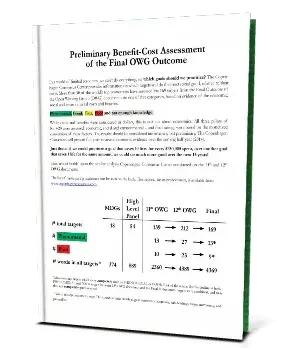
Download the entire report
In our recent report, not just the target above, but all 169 targets have been assessed by 60 teams of the world’s top economists. The targets have been categorized into five ratings based on evidence of economic, social, and environmental costs and benefits. While we applaud that the UN Open Working Group's final outcome document contains 43 fewer targets than the previous document, we are concerned that many targets have simply been combined, therefore reducing the number of both phenomenal and poor targets assessed according to our cost-benefit analysis. Our new assessment includes suggestions for how these can be improved as reported in this article by the Financial Times.