UN OWG Proposed Target 6.4
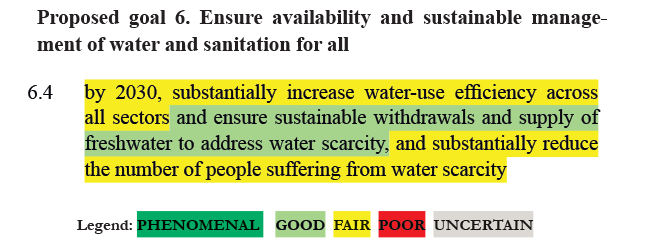
RATING: FAIR for the efficiency component of the target. There are identifiable technologies that could improve water efficiency (e.g. drip or sprinkler irrigation, leak detection mechanisms, low flush toilets) and would have BCRs greater than 1. In developing nations, agriculture takes a large proportion of water use, so focusing on agricultural water use – particularly moving away from traditional canal irrigation to drip / sprinkler irrigation – would be a GOOD priority. In a multi-sector environment where water is scare, improving efficiency of water use in one sector has the benefit of freeing up water for use in another sector.
The likely impediment to the achievement of this target is changing the behavior of water users, which presents unique challenges. Governments around the world have set water-use efficiency targets, typically with mixed success e.g. California’s 20% by 2020. On the other hand, increasing demographic and environmental pressures (such as climate change) may compel actors to improve water use efficiency.
For water extraction component of the target, the rating is GOOD – the technology is available (hydraulic infrastructure) to increase extraction where it lags behind demand and it is high on the agenda of governments. However it can be difficult to enforce because it is requires authority and cooperation of water users.
Download the entire report
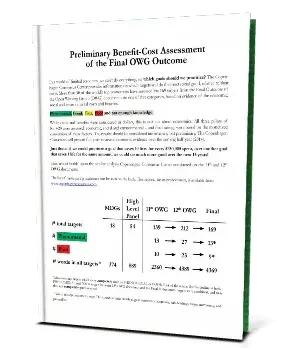
In our recent report, not just the target above, but all 169 targets have been assessed by 60 teams of the world’s top economists. The targets have been categorized into five ratings based on evidence of economic, social, and environmental costs and benefits. While we applaud that the UN Open Working Group's final outcome document contains 43 fewer targets than the previous document, we are concerned that many targets have simply been combined, therefore reducing the number of both phenomenal and poor targets assessed according to our cost-benefit analysis. Our new assessment includes suggestions for how these can be improved as reported in this article by the Financial Times.