UN OWG Proposed Target 8.7
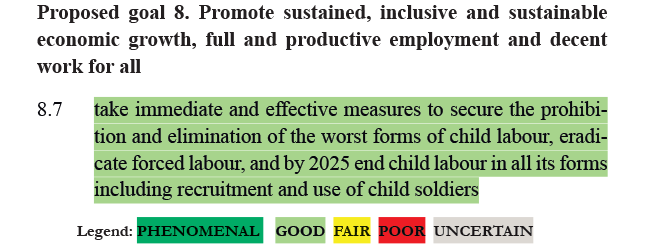
RATING: GOOD though we are UNCERTAIN about how to ‘end’ child labor. A report from ILO shows that the benefit to cost of eliminating child labor by 2020 is 6.7 – see Dorman (2004). This rating is supported by GOOD and FAIR returns on investment in primary and secondary education – in effect, the opportunity costs of working as a child (there is a clear tradeoff between education and child labor, in that reducing child labor improves education outcomes of young people).
But there is a big caveat associated with this goal. Ending child labor has been as elusive as achieving universal primary education. For example, the ILO, UNICEF and the World Bank have been advocating for an end to child labor for some time yet in 2012 there are more than 250,000 children still in employment. The reason for this is that child labor is driven by poverty and child earnings are needed to supplement household income. So, although the goal is GOOD, one needs to be aware of the difficulty of ending the practice. Legislation prohibiting child labor, now in effect in all countries, has been unenforceable.
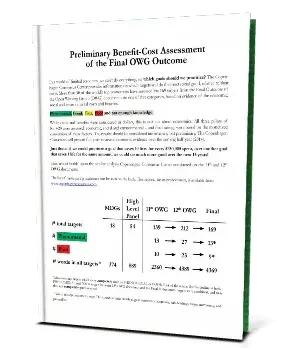
Download the entire report
In our recent report, not just the target above, but all 169 targets have been assessed by 60 teams of the world’s top economists. The targets have been categorized into five ratings based on evidence of economic, social, and environmental costs and benefits. While we applaud that the UN Open Working Group's final outcome document contains 43 fewer targets than the previous document, we are concerned that many targets have simply been combined, therefore reducing the number of both phenomenal and poor targets assessed according to our cost-benefit analysis. Our new assessment includes suggestions for how these can be improved as reported in this article by the Financial Times.