UN OWG Proposed Target 8.8
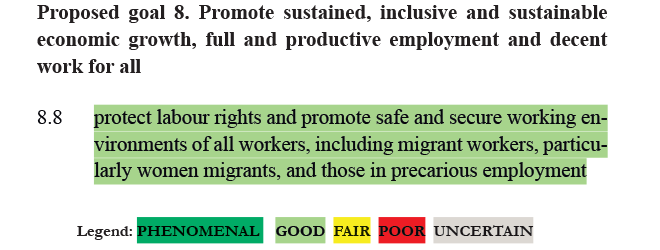
RATING: GOOD The costs of implementing this are not large (setting up OSHA-like agencies with enforcement capabilities, given that most countries already have labor rights and working environment improvement laws) and the benefits are substantial, given that many workers experience seriously life-shortening accidents and work-related illnesses where the costs of dealing with those are pushed onto themselves, their families, and the public health system. Any time health issues can be reduced for the young and working-age population, the payoffs are substantial in terms of extended and more productive work lives for the persons involved. Otherwise, this creates a ‘race to the bottom’ as short-term incentives outweigh longer-run considerations and workers take hazardous positions that endanger their and their families’ longer-run potential. We can look at the cases of such regulations in the currently industrialized nations’ past to see how expansion of labor rights and safe working environments supports and extends economic growth.
Download the entire report
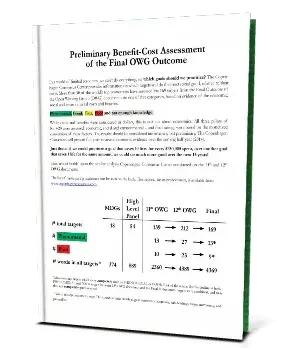
In our recent report, not just the target above, but all 169 targets have been assessed by 60 teams of the world’s top economists. The targets have been categorized into five ratings based on evidence of economic, social, and environmental costs and benefits. While we applaud that the UN Open Working Group's final outcome document contains 43 fewer targets than the previous document, we are concerned that many targets have simply been combined, therefore reducing the number of both phenomenal and poor targets assessed according to our cost-benefit analysis. Our new assessment includes suggestions for how these can be improved as reported in this article by the Financial Times.